
Meth Residue in Homes: What Australian Research Tells Us About Third-Hand Exposure

Meth Residue in Homes: What Australian Research Tells Us About Third-Hand Exposure
When most people think about methamphetamine contamination in a property, they may picture an illegal drug laboratory filled with chemicals and equipment. However, Australian research suggests the issue can be more complicated than that.
Methamphetamine residue may remain inside a property after previous drug activity has stopped. This means future occupants may potentially come into contact with contamination without knowing it is there.
A published Australian study examining 25 residential case studies provides an important look at what researchers call third-hand exposure and why meth residue deserves consideration when assessing the history and condition of a property.
What Is Third-Hand Methamphetamine Exposure?
Third-hand exposure refers to contact with methamphetamine contamination remaining within an environment after the original activity has occurred.
Unlike direct drug use or second-hand exposure to airborne smoke, third-hand exposure involves residue that has settled or remained within the property.
Depending on what has occurred at a premises, contamination may potentially be present on or within:
- walls
- ceilings
- flooring
- furnishings
- fixtures
- household dust
- other building surfaces and materials.
This creates a very different situation from direct methamphetamine use. A future resident may have had absolutely nothing to do with the activity that caused the contamination.
They may simply move into the property afterwards.
What Did the Australian Study Investigate?
Published in the journal Toxics in 2020, the study Environmental Methamphetamine Exposures and Health Effects in 25 Case Studies examined real-world situations involving people who had unknowingly lived in methamphetamine-contaminated properties.
Researchers collected information involving 63 individuals across 25 separate case studies.
The properties had histories associated with methamphetamine manufacture, use, or a combination of both.
Rather than relying on a single type of evidence, researchers considered several sources of information, including environmental contamination results, health information supplied by occupants and, in some cases, hair analysis.
Hair testing was particularly significant because it provided researchers with another way of investigating whether people living within these environments had actually been exposed to methamphetamine.
What Health Effects Were Reported?
Across the case studies, researchers identified a range of reported health concerns among occupants while they were residing in the affected properties.
These included:
- sleep-related problems
- headaches
- respiratory symptoms
- skin and eye irritation
- behavioural or concentration-related issues.
The study does not mean that every headache, sleep problem, respiratory complaint, or behavioural change experienced inside a home is evidence of methamphetamine contamination.
Many everyday health conditions can have numerous possible causes.
What makes the research important is that these symptoms were recorded alongside evidence of environmental methamphetamine contamination and, in some cases, biological evidence of exposure.
Methamphetamine Was Detected in Some Hair Samples
One of the more notable findings involved the participants who underwent hair analysis.
Methamphetamine was detected in hair samples from some people who had been living within the contaminated properties, including children.
This provides an important distinction.
The study was not simply looking at residue left on a wall and assuming that someone must have been exposed. Hair analysis provided evidence that environmental methamphetamine could be detected in some occupants after they had lived within affected environments.
The researchers also examined the relationship between contamination within individual properties and methamphetamine detected through hair testing.
This strengthens the argument for treating property contamination as an environmental exposure issue rather than assuming residue is irrelevant once the original drug activity has stopped.
It Wasn’t Only Former Meth Labs
Another important aspect of the study is the source of the contamination.
Illegal methamphetamine manufacturing can produce significant contamination and introduce additional chemicals into a property. However, manufacturing was not the only situation considered by researchers.
Some properties were associated with methamphetamine use rather than confirmed manufacture.
The researchers reported that they could not identify a clear difference between the types of health effects reported by people living in properties contaminated through previous manufacture and those associated with previous use.
This does not mean that every property where methamphetamine has been used will have the same contamination level as a clandestine laboratory.
It does highlight why previous drug use, as well as manufacture, can be relevant when investigating a property.
Queensland’s Residential Tenancies Authority also currently recognises that illicit drug use within a rental property can cause contamination, although it states that levels are generally lower than those associated with manufacturing.
What About Low Levels of Meth Residue?
The study also raises an interesting question surrounding contamination levels.
The researchers recorded reported health effects across properties with a broad range of environmental methamphetamine measurements. This included measurements close to the Australian guideline value of 0.5 micrograms per 100 cm² referenced within the research.
This finding should be interpreted carefully.
It does not establish that a particular low surface reading will automatically cause a specific health problem, nor does it create a new medical threshold.
Environmental testing represents part of a much larger picture. Contamination may vary considerably between surfaces and rooms, and a sample collected from one location cannot necessarily describe every surface throughout an entire building.
Instead, the research reinforces the importance of properly investigating suspected contamination rather than attempting to determine the condition of an entire property from assumptions alone.
What the Study Does Not Prove
Scientific research needs to be interpreted within its limitations.
This was a collection of real-world case studies rather than a large controlled clinical trial.
Some health information was self-reported, testing methods differed between cases, and researchers could not eliminate every other environmental or personal factor that might have contributed to reported symptoms.
For these reasons, the study should not be interpreted as proof that methamphetamine residue caused every individual health issue reported by participants.
What it does provide is evidence of an association between living in methamphetamine-contaminated environments, measurable environmental contamination, biological evidence of exposure in some occupants, and reported health effects.
That distinction matters when discussing research responsibly.
Why Property Testing Can Be Valuable
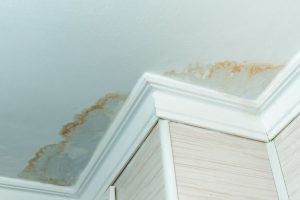
One of the challenges with methamphetamine residue is that contamination may not be obvious during an ordinary property inspection.
A house can look clean.
Walls may have been painted.
Carpets may have been replaced.
There may be no equipment, unusual odours, or other visible indication of what previously occurred inside the property.
For property owners, investors, buyers, tenants, and property managers, testing provides information that appearances alone cannot.
The Queensland Residential Tenancies Authority advises that when a tenant, owner, or property manager suspects previous illicit drug contamination, testing may be considered to determine whether traces of potentially harmful substances are detected.
Testing can therefore help replace uncertainty with measurable information.
Meth Residue Testing in South East Queensland
Dunrite Decon provides professional methamphetamine residue detection services for residential, rental, investment, and commercial properties throughout Brisbane and South East Queensland.
Depending on the circumstances, testing may involve initial screening or more detailed laboratory analysis to gain a clearer understanding of conditions within the property.
Testing may be particularly worth considering when:
- purchasing a property with an uncertain history
- managing rental properties
- concerns have been raised about previous occupants
- suspected drug activity has occurred
- contamination has previously been identified
- confirmation is required following remediation.
If contamination is identified, the appropriate next step will depend on the results, the circumstances of the property, and any applicable environmental or public-health requirements.
You Can’t Always See a Property’s History
A freshly painted wall doesn’t necessarily tell you what happened in a property five years ago.
Neither does a clean floor, renovated kitchen, or tidy inspection.
The Australian research into third-hand methamphetamine exposure demonstrates why environmental residue should not automatically be dismissed simply because the original activity happened in the past.
For owners and property managers, professional testing can provide valuable information about a property’s current condition.
For buyers, it may provide another consideration when completing due diligence.
And where there is a genuine reason to suspect contamination, investigating it can provide a much clearer basis for deciding what happens next.
Need Meth Residue Testing?
Dunrite Decon provides meth residue screening, laboratory testing, and decontamination services throughout Brisbane and surrounding South East Queensland areas.
If you have concerns about the history of a property or would like to arrange testing, contact the Dunrite Decon team for further information.
Done Once, Dunrite!
Research Reference
Wright, J., Kenneally, M., Ross, K., & Walker, S. (2020). Environmental Methamphetamine Exposures and Health Effects in 25 Case Studies. Toxics, 8(3), 61. PMID: 32825457.
Environmental Methamphetamine Exposures and Health Effects in 25 Case Studies – PubMed
Important: Information in this article is provided for general educational purposes. Reported symptoms can have many possible causes. Concerns about personal health or possible exposure should be discussed with an appropriate healthcare professional.


 Is there room for methamphetamines in real estate? Many real estate Property Managers just
 Why Testing Is Important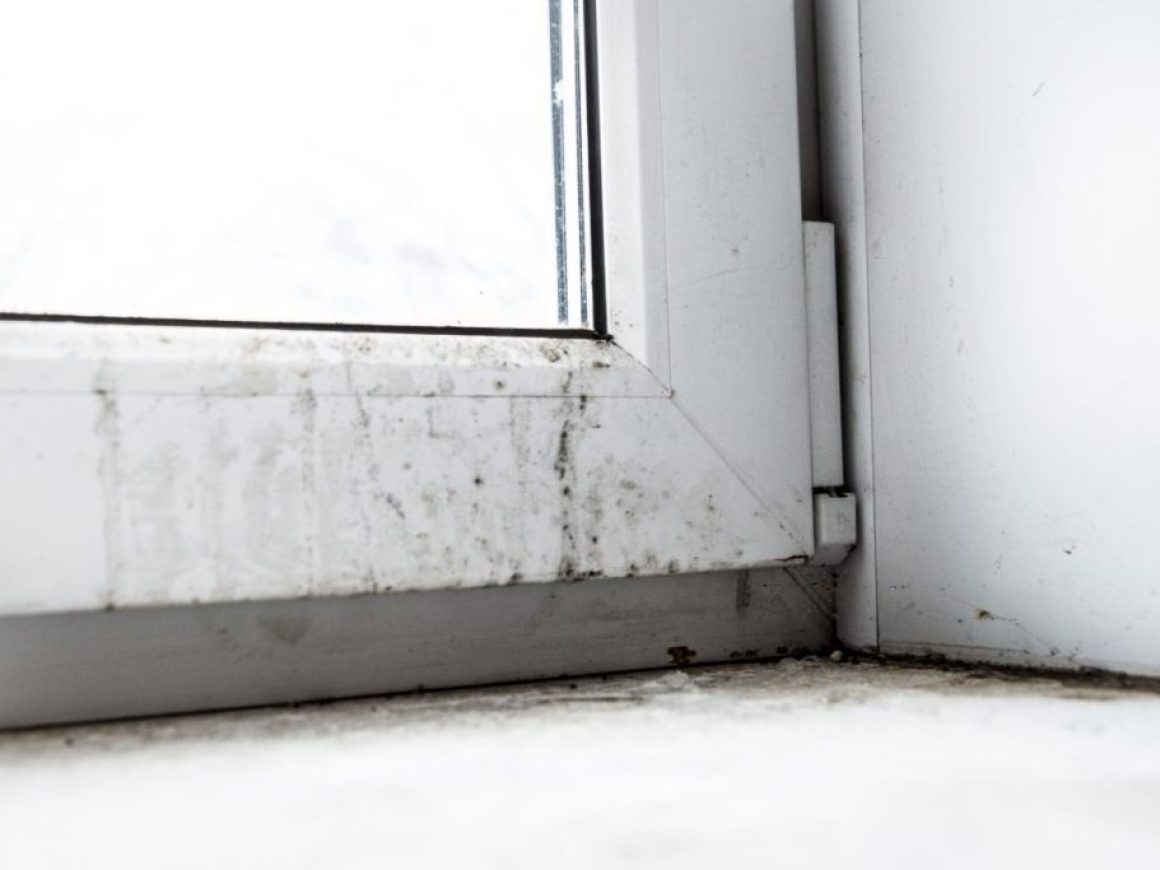



 The Real Risks of Contaminated Properties